Bench Twin
A scenario IDE for assembly at the bench: write parts, stage, plan and film, let the timing model schedule people and robots, then cut films or capture labelled sensor views.
In early access for subscribers until 22 November 2026. Subscribe to run it now.
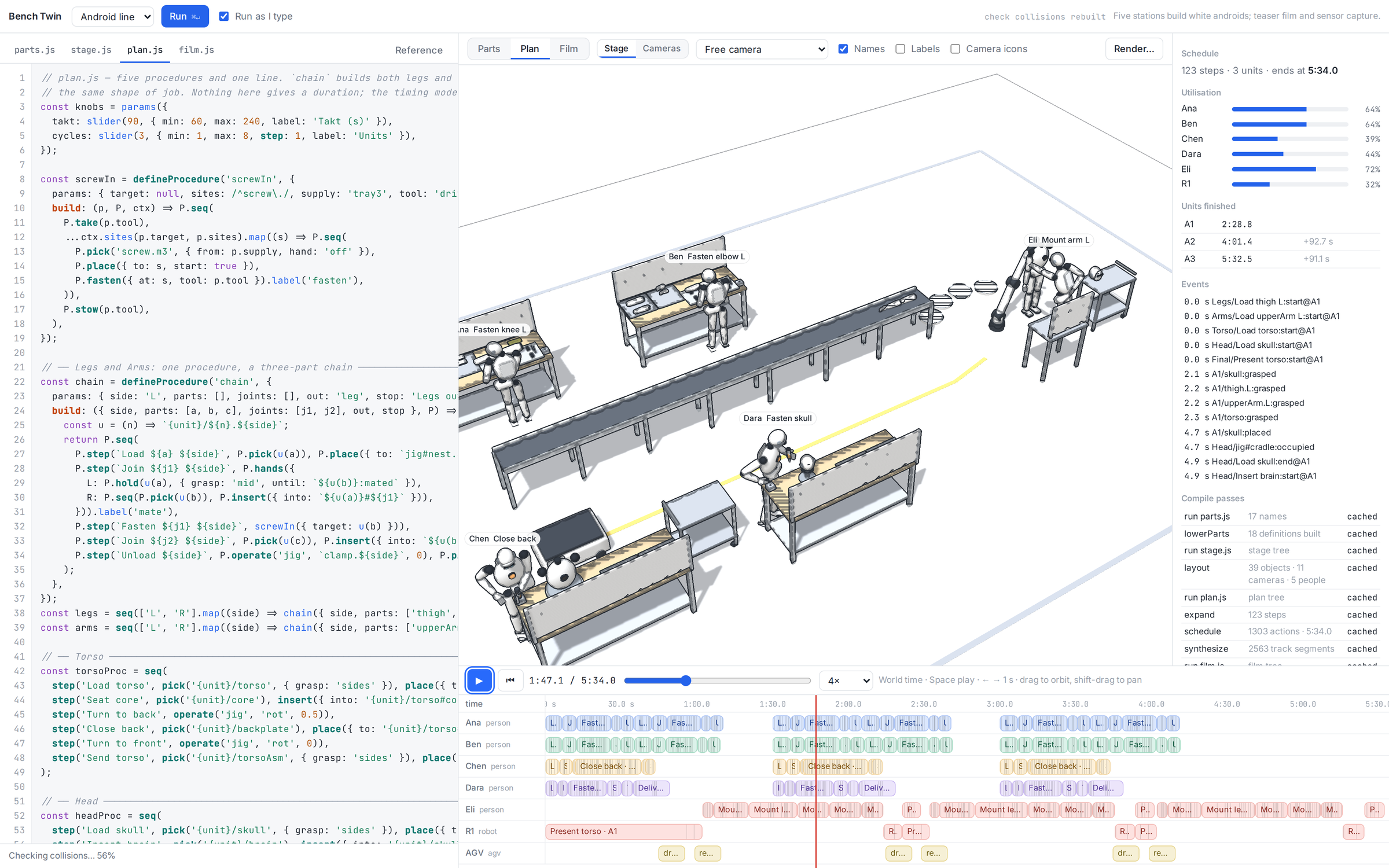
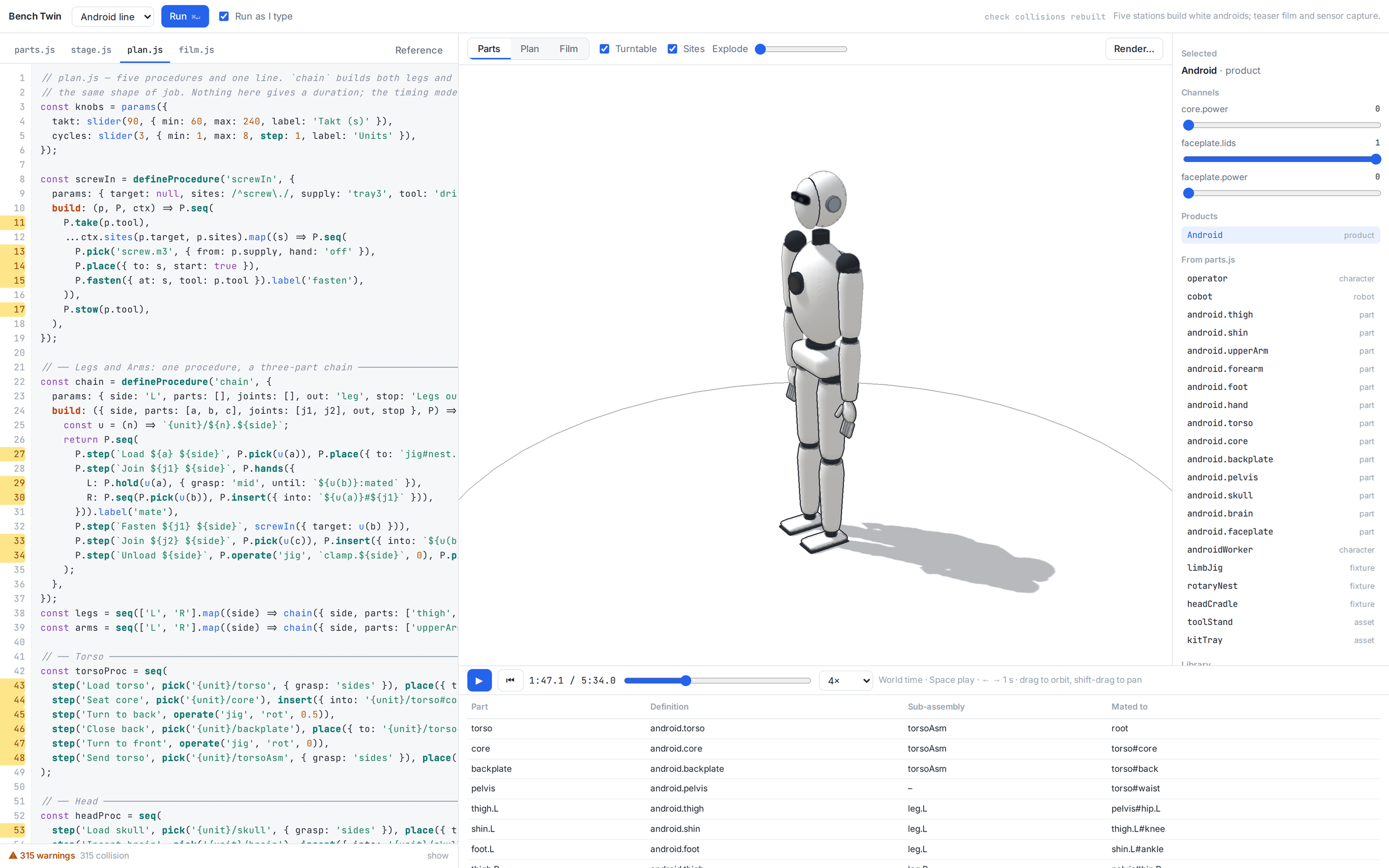
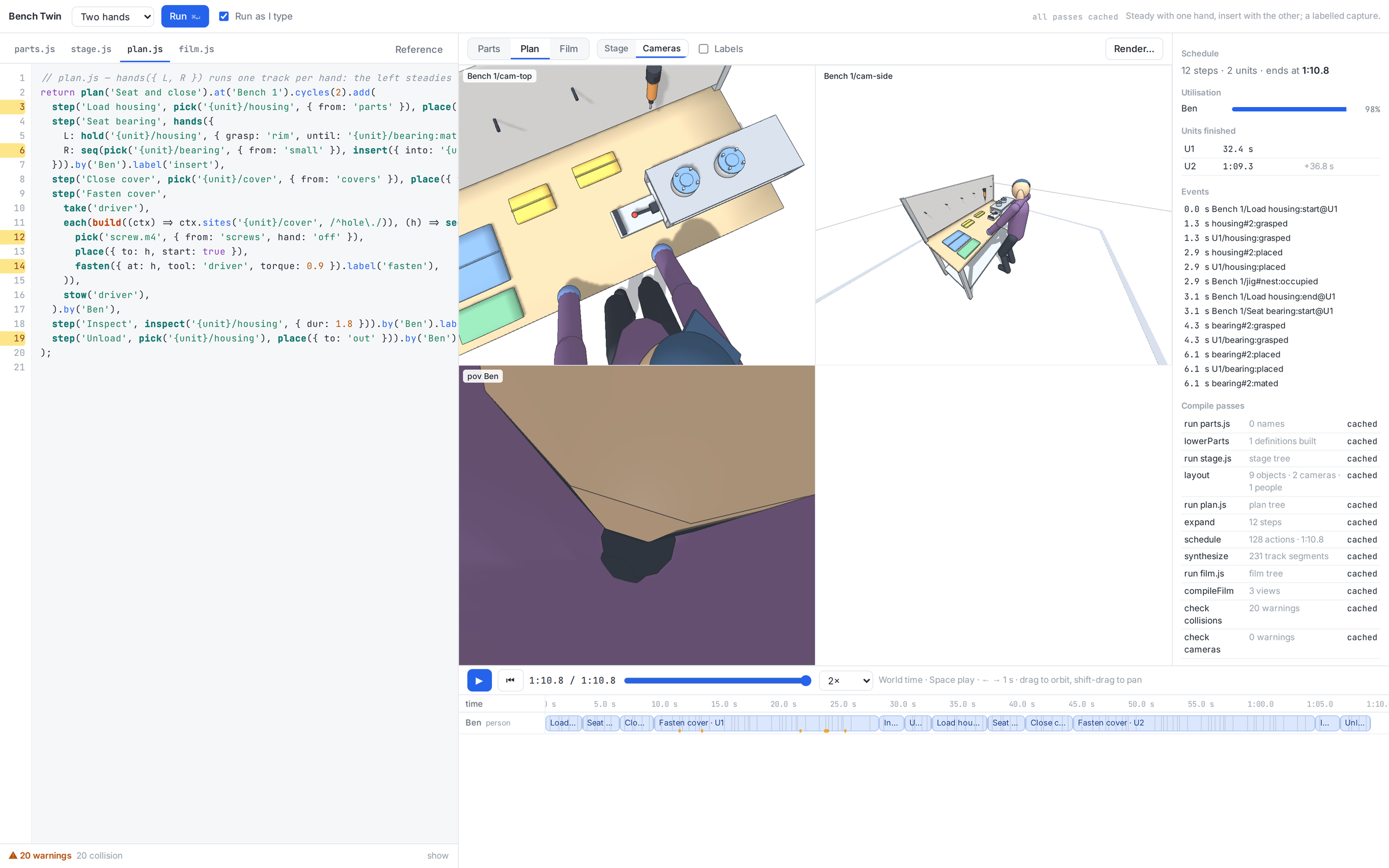
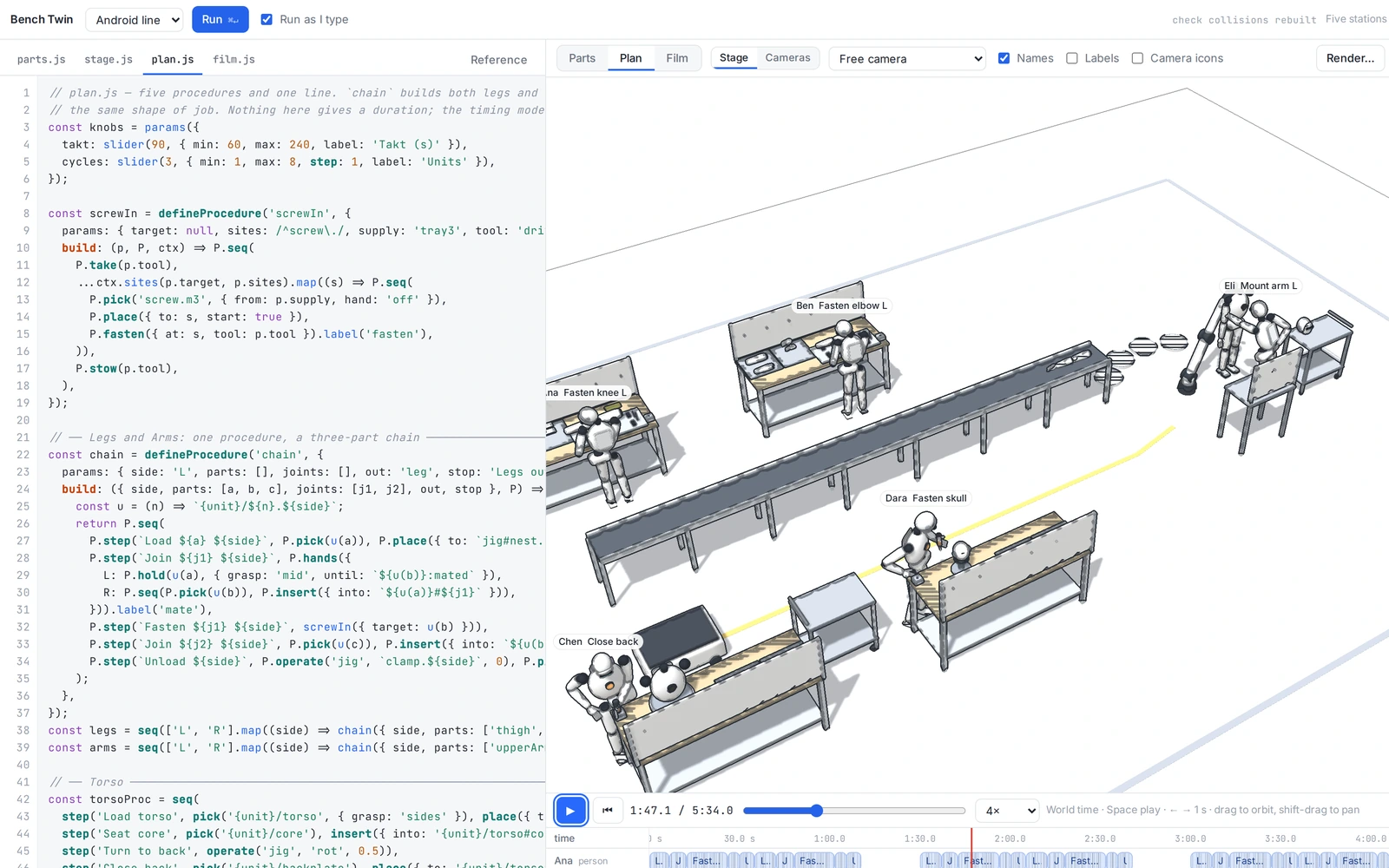
Subscribe →A scenario IDE for assembly at the bench. You write four files: the parts and products, the stage, the plan of who does what, and the film. A timing model schedules it: nothing in the plan gives a duration. Then you watch people and robots build the product, cut a film of it, or capture labelled sensor views for vision software. Where Lab 104 · Factory Twin holds a whole plant, Bench Twin works at the scale of hands, screws and jigs. Compared with Takt Workbench, it puts parametric parts with joints, multi-cell lines and films and labelled captures first.
- Parts with joints:
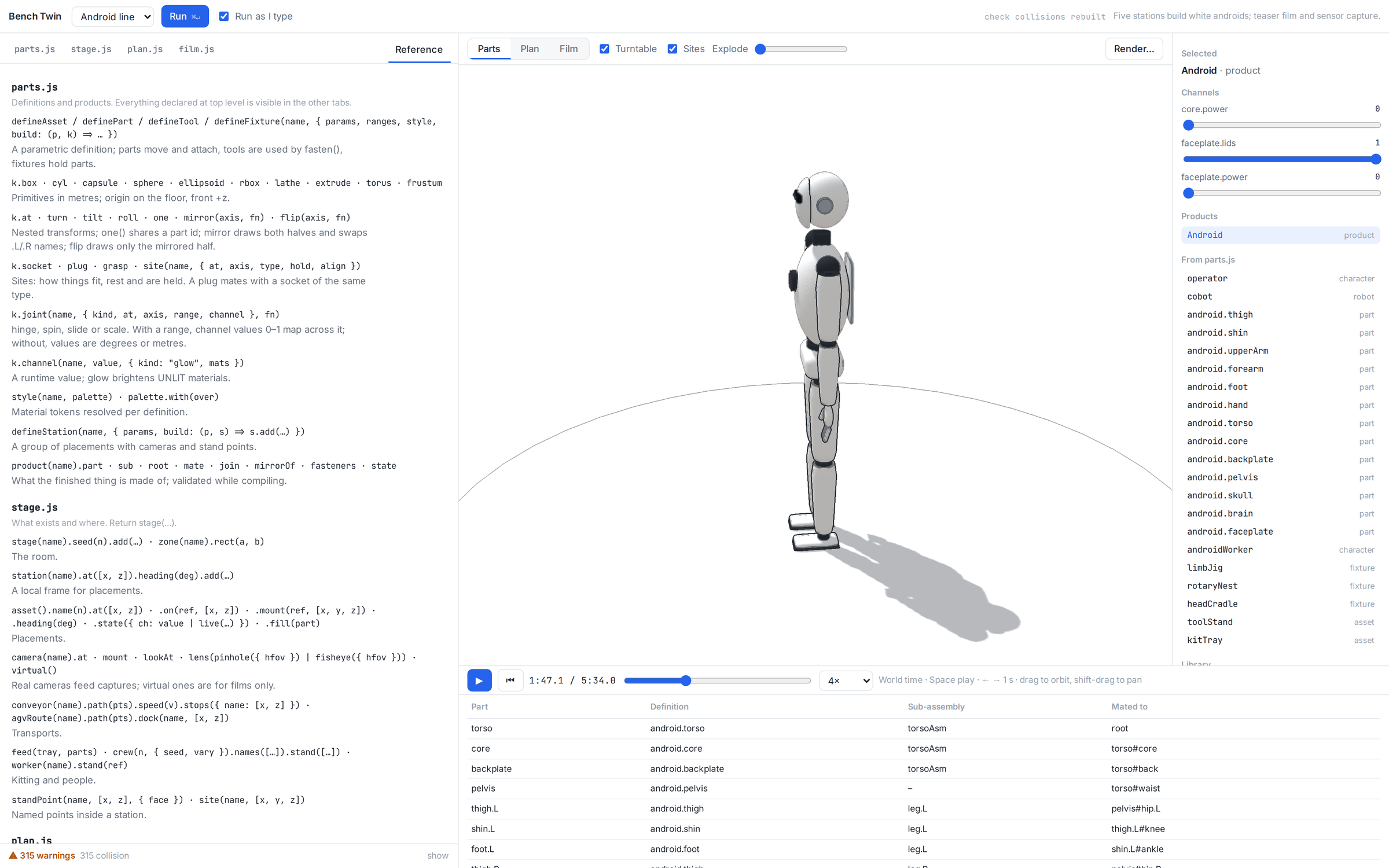
definePart,defineToolanddefineFixturebuild parts from primitives, with sockets, plugs, grasp sites, joints and glow channels.product()says what the finished thing is made of, and the compiler checks it. - Plans that schedule themselves: steps made of pick, place, insert, fasten, hold and hands({ L, R }), composed with
defineProcedure. A line runs several cells at a takt, and you get utilisation per worker, finish times per unit and an event log. - Checks while you type: collision and camera checks run after every compile, and the compile passes are listed with what they built and whether they were cached.
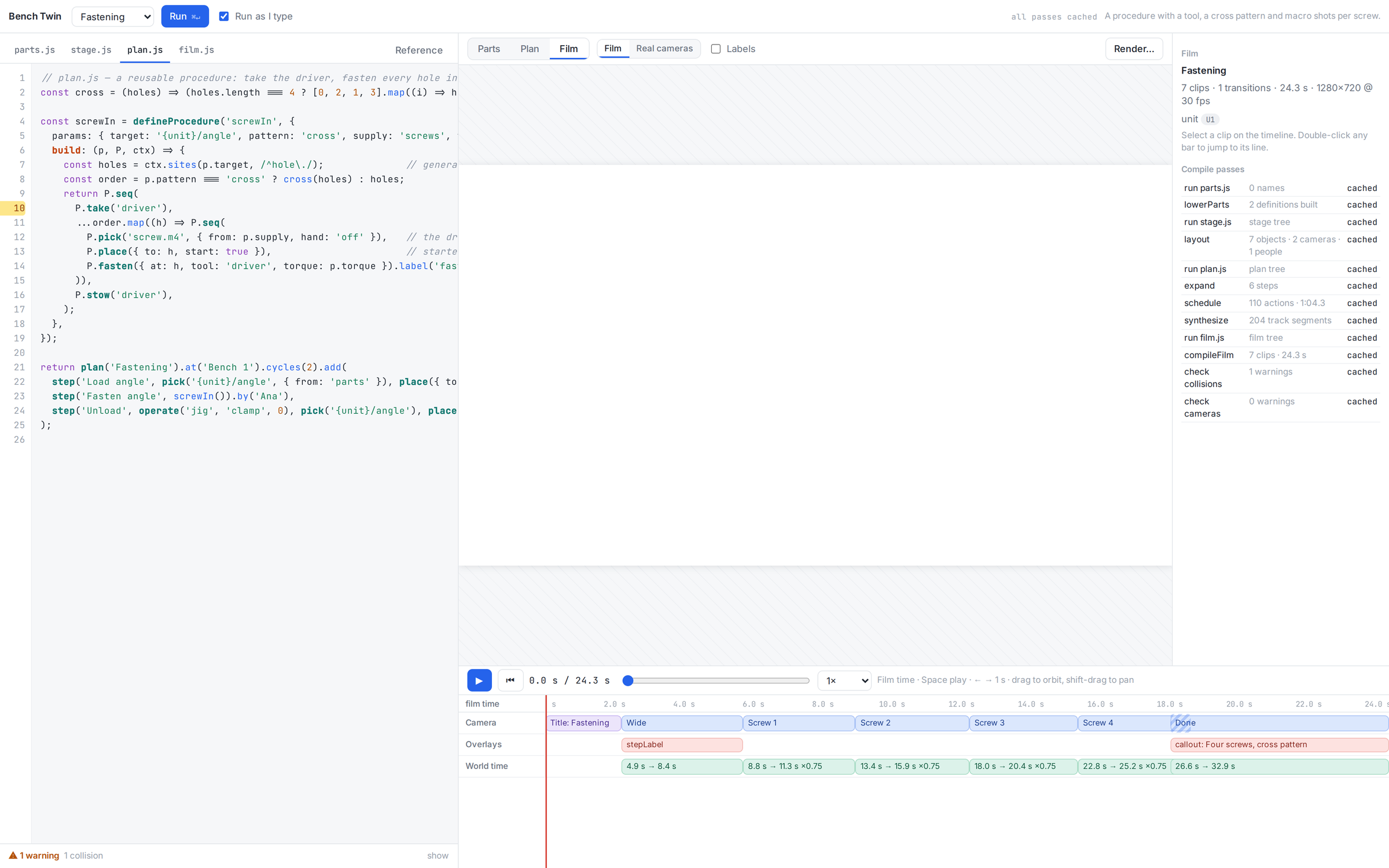
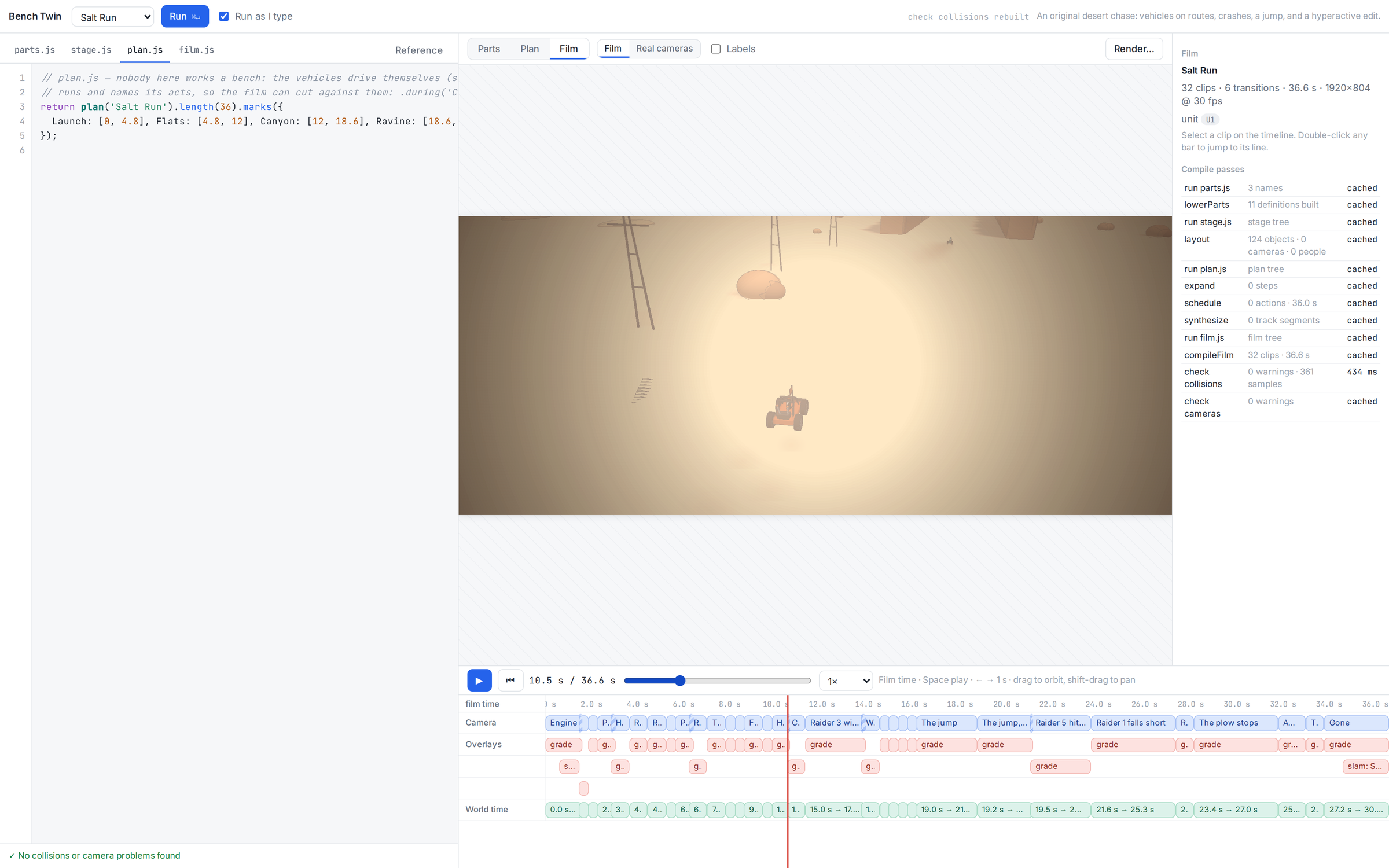
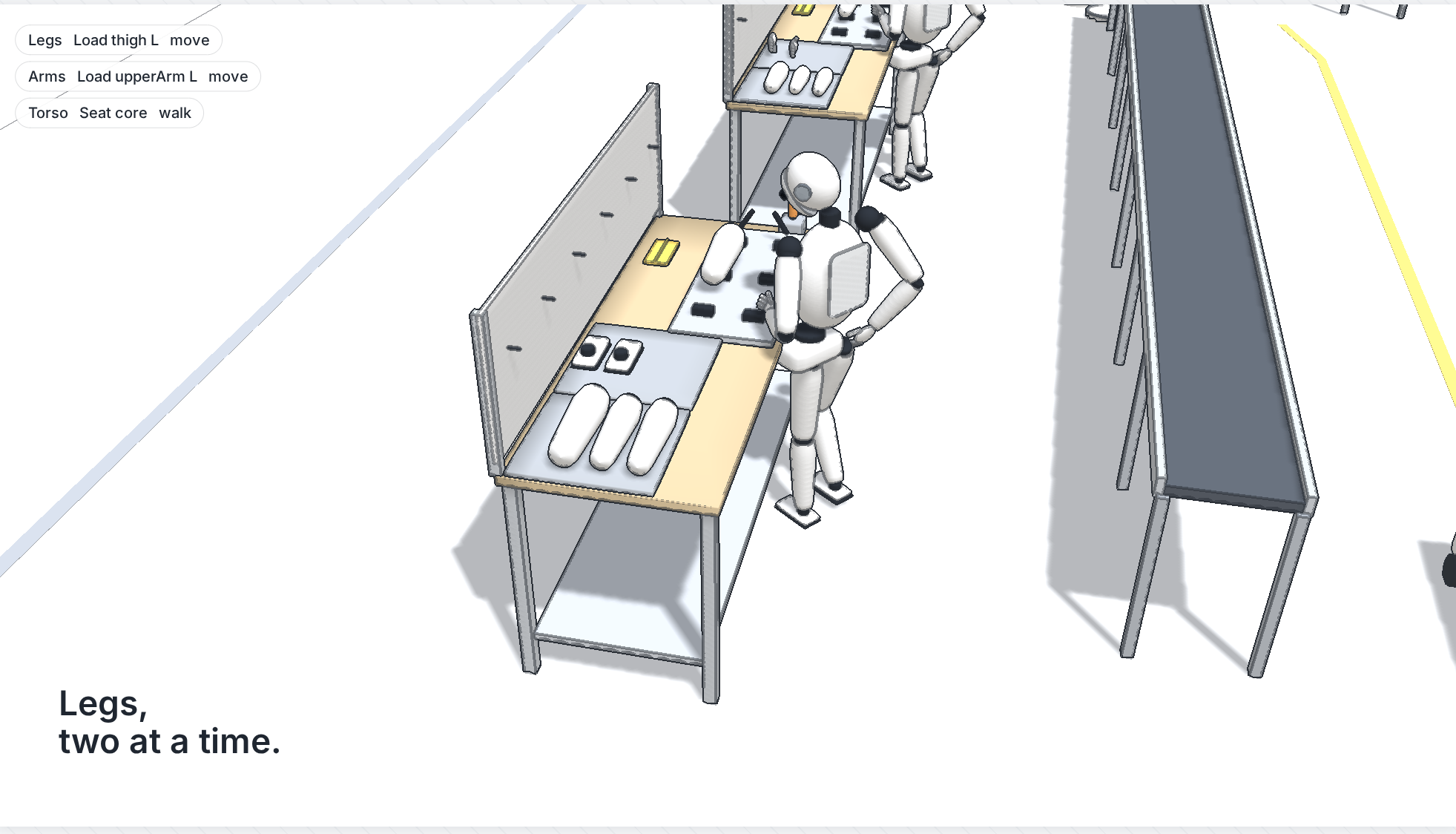
- Films and captures: shots map film time to world time, with orbit, follow, macro, over-the-shoulder and through-camera paths, cuts, dissolves, wipes, captions and step labels. A capture records sensor views with ground truth.
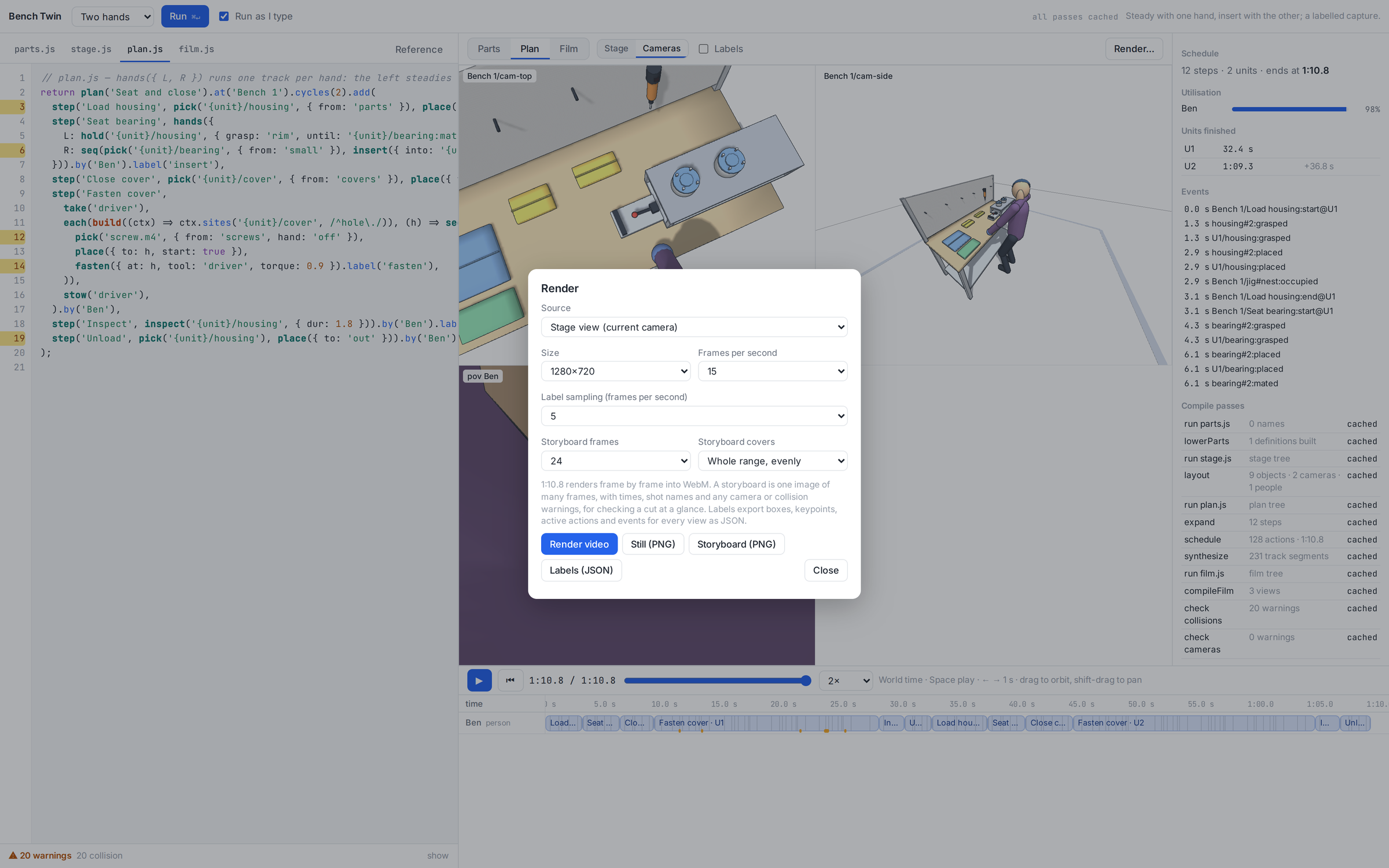
- Render: a WebM video, a PNG still, a storyboard of many frames with times and warnings, or labels as JSON (boxes, keypoints, active actions and events for every view).
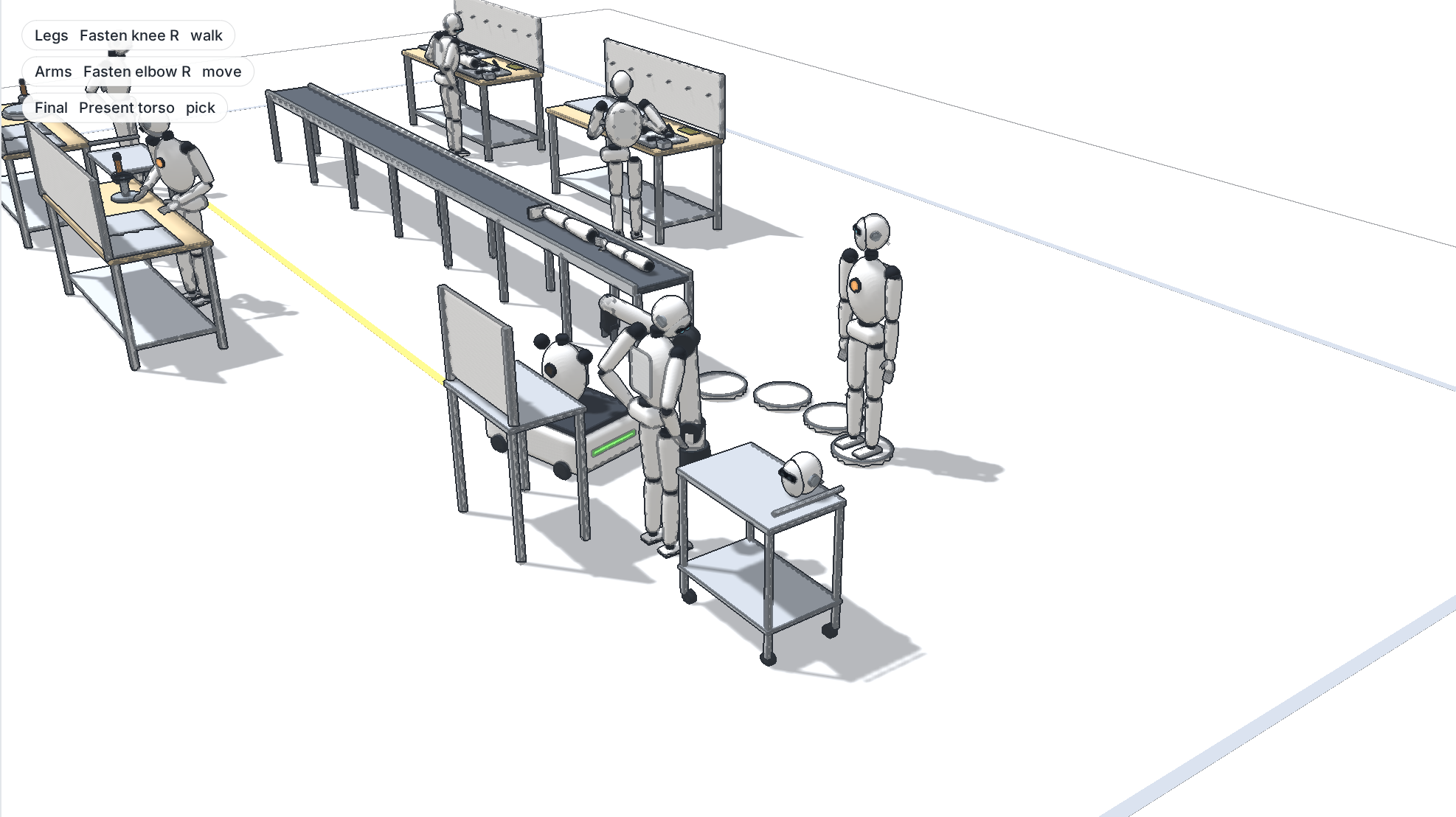
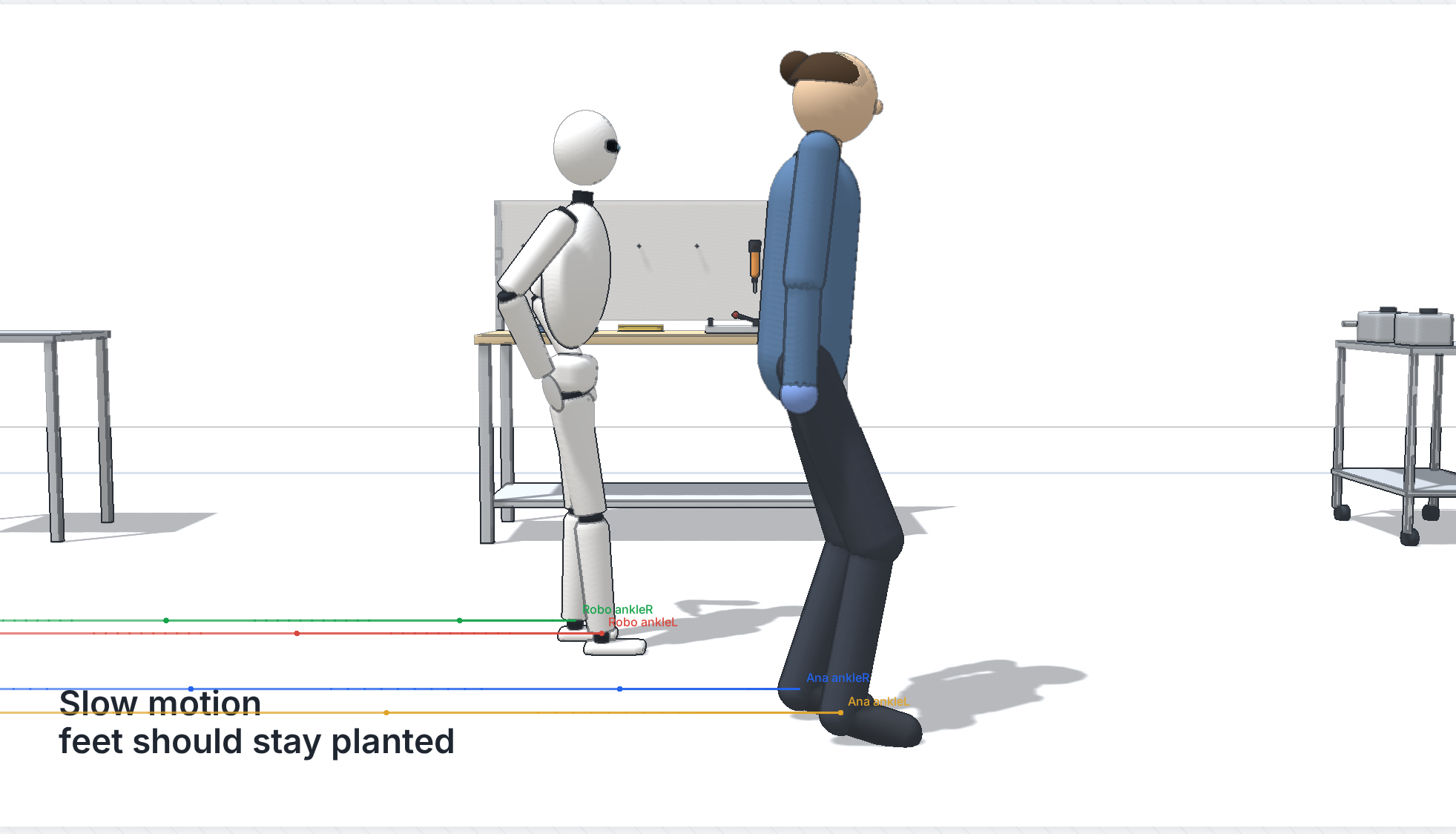
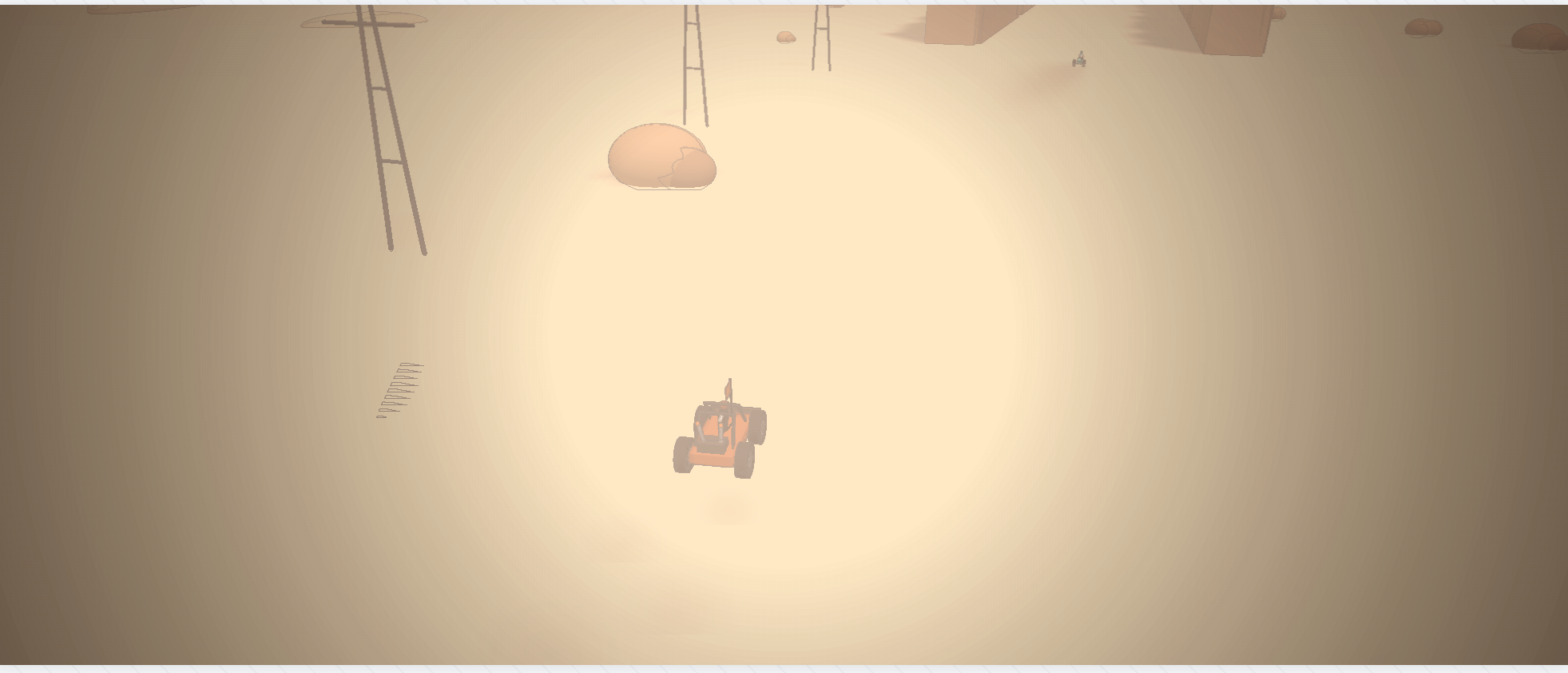
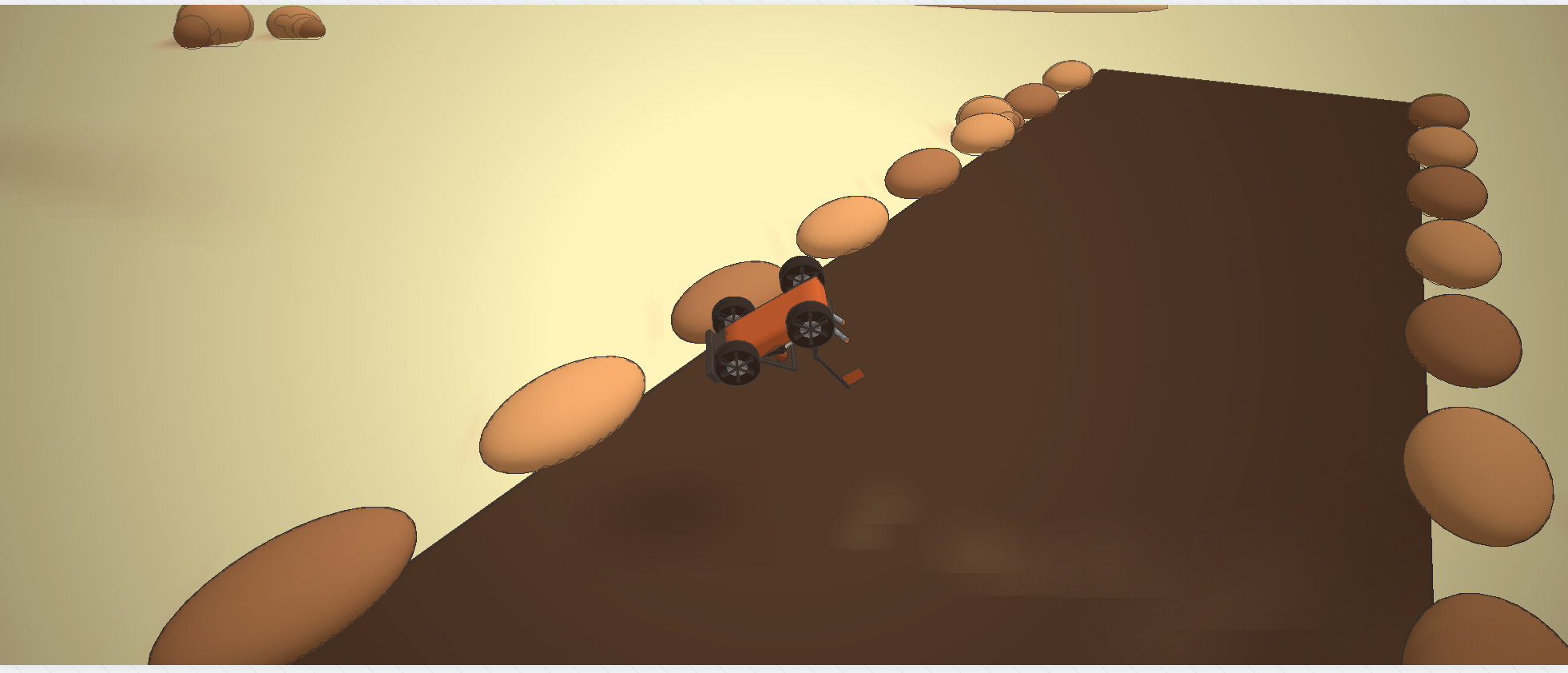
Nine examples come with it, from Hello bench and Fastening to Two hands, Robot assist, Mini line, Parts gallery, a Motion reel with joint traces, Salt Run (a desert chase with vehicles, crashes and a jump) and the Android line, where five stations build white androids. Built with three.js and React.