Sonnet New Roman Modular
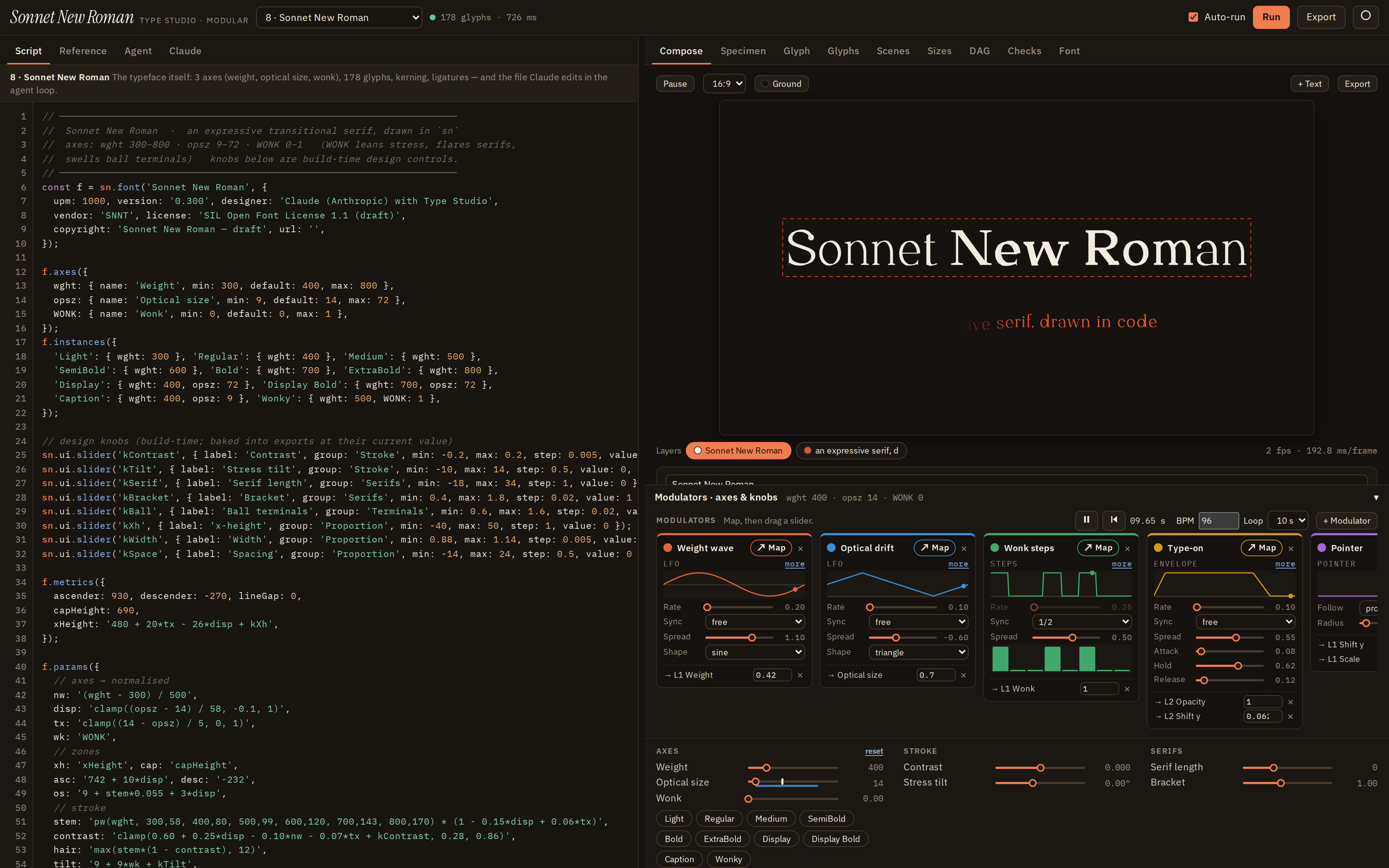
A type studio where a variable serif is a script: edit Sonnet New Roman's 178 glyphs and three axes, check and animate it, compile a TTF, and let Claude keep drawing it.
In early access for subscribers until 22 November 2026. Subscribe to run it now.
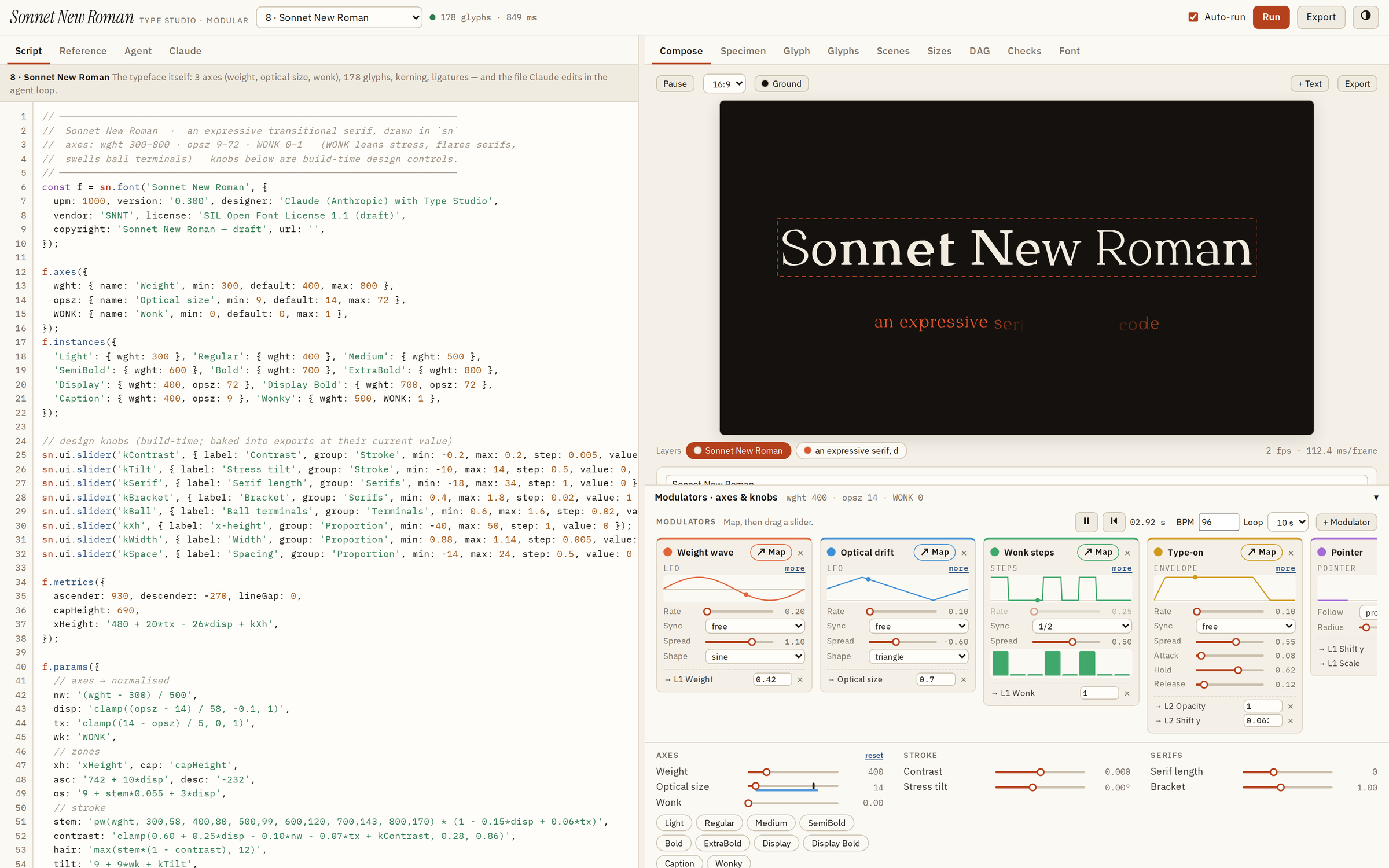
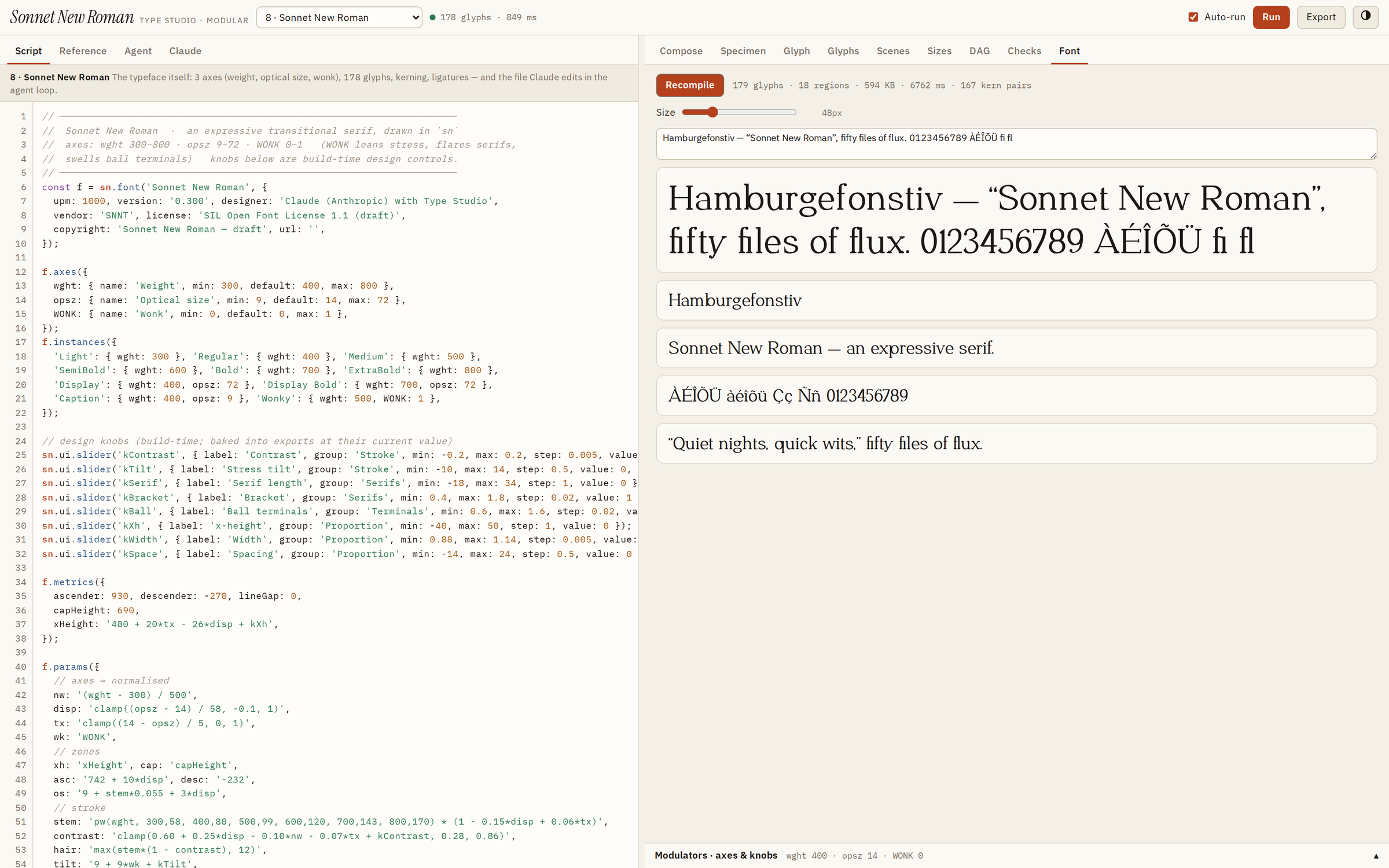
Subscribe →A type studio where a typeface is a script. Sonnet New Roman, an expressive transitional serif, is written in a small JavaScript builder (sn): parameters, macros, components and glyphs are expressions, and every edit rebuilds the font, lints it and redraws every view.
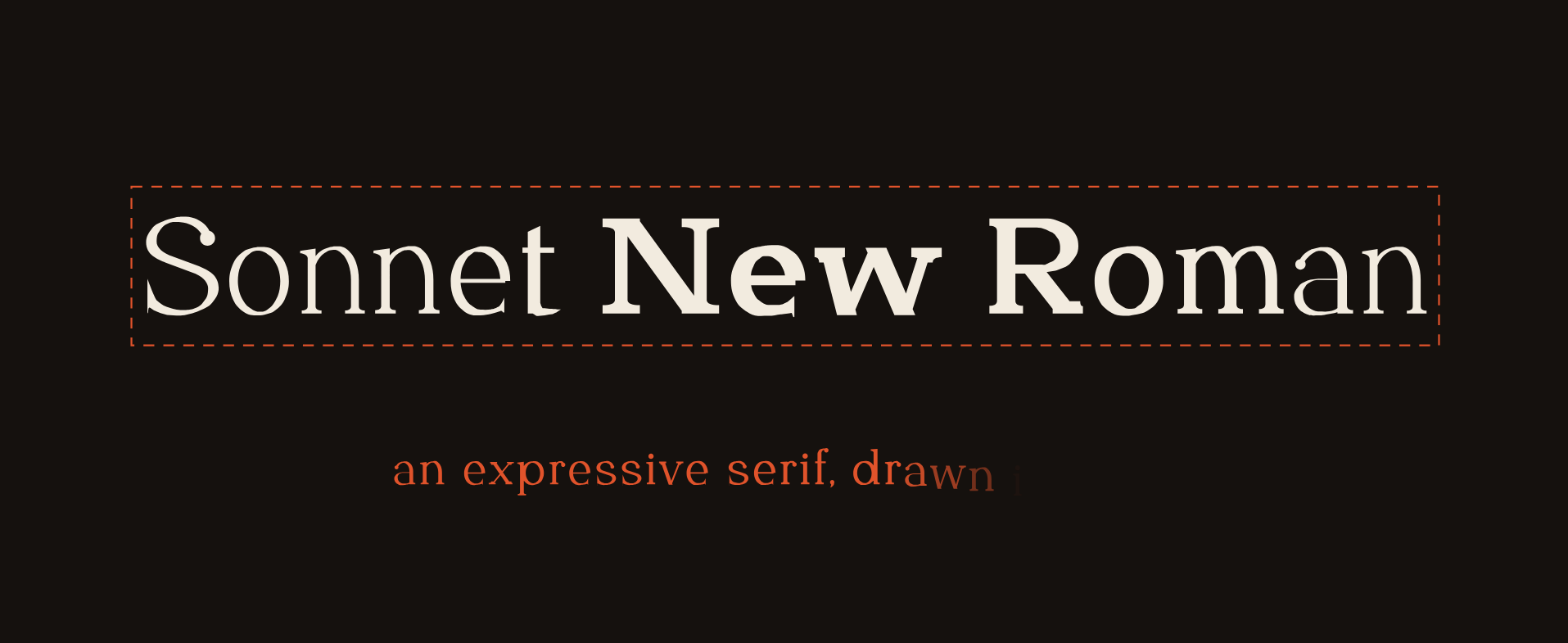
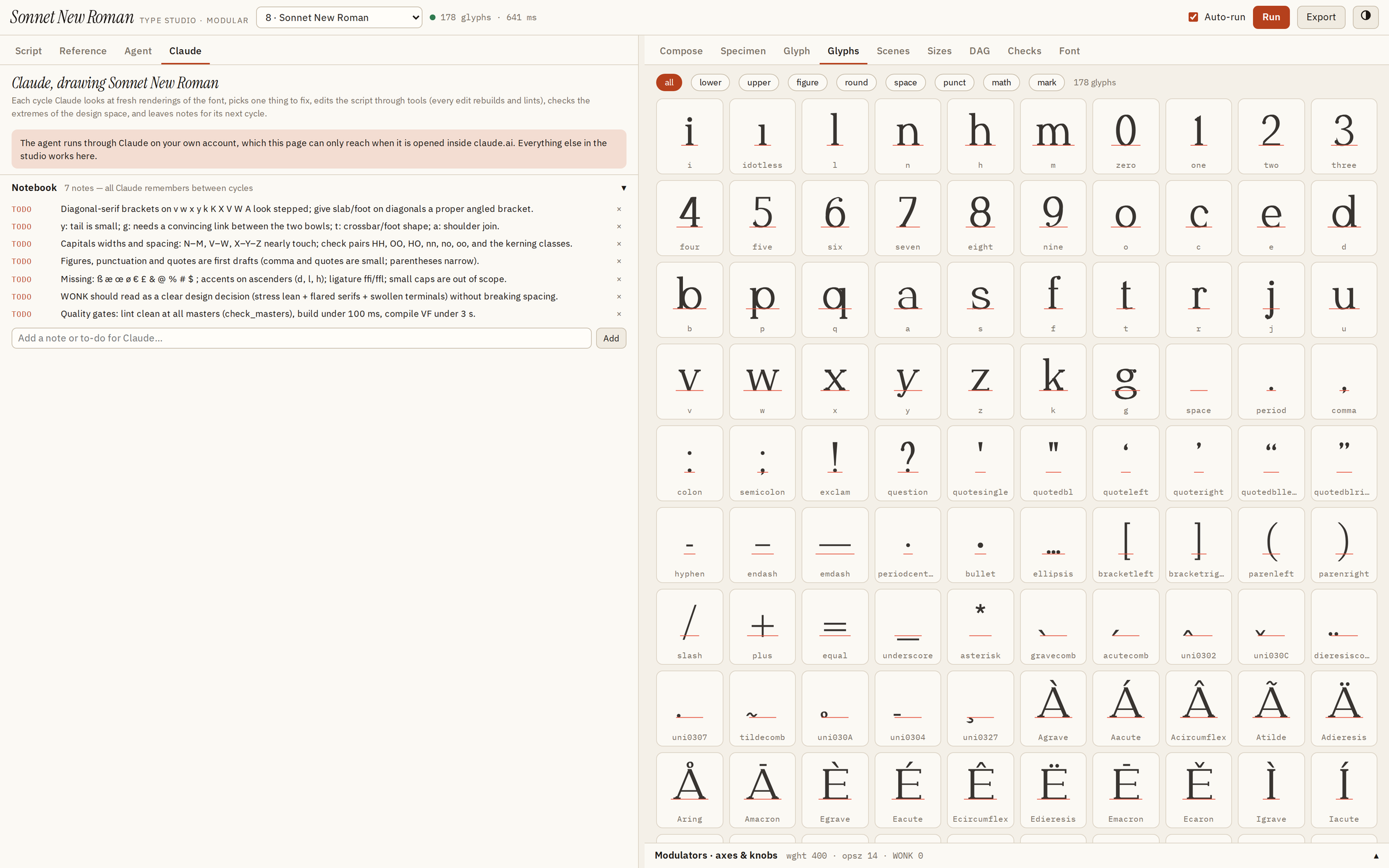
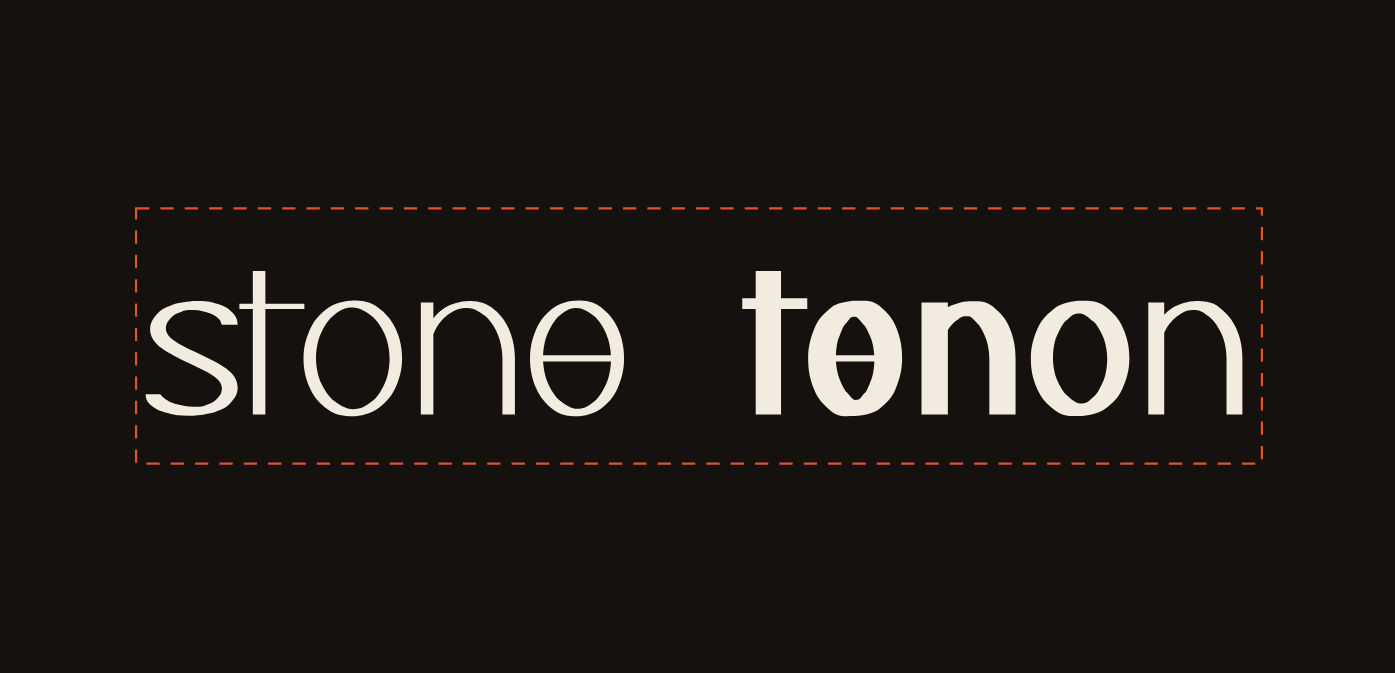
- A whole variable font in one file: Sonnet New Roman has 178 glyphs, three axes (weight 300–800, optical size 9–72 and Wonk 0–1, which leans the stress, flares the serifs and swells the ball terminals), ten named instances from Light to Display Bold, Caption and Wonky, kerning and ligatures. Build-time knobs for contrast, stress tilt, serifs, x-height, width and spacing are plain sliders.
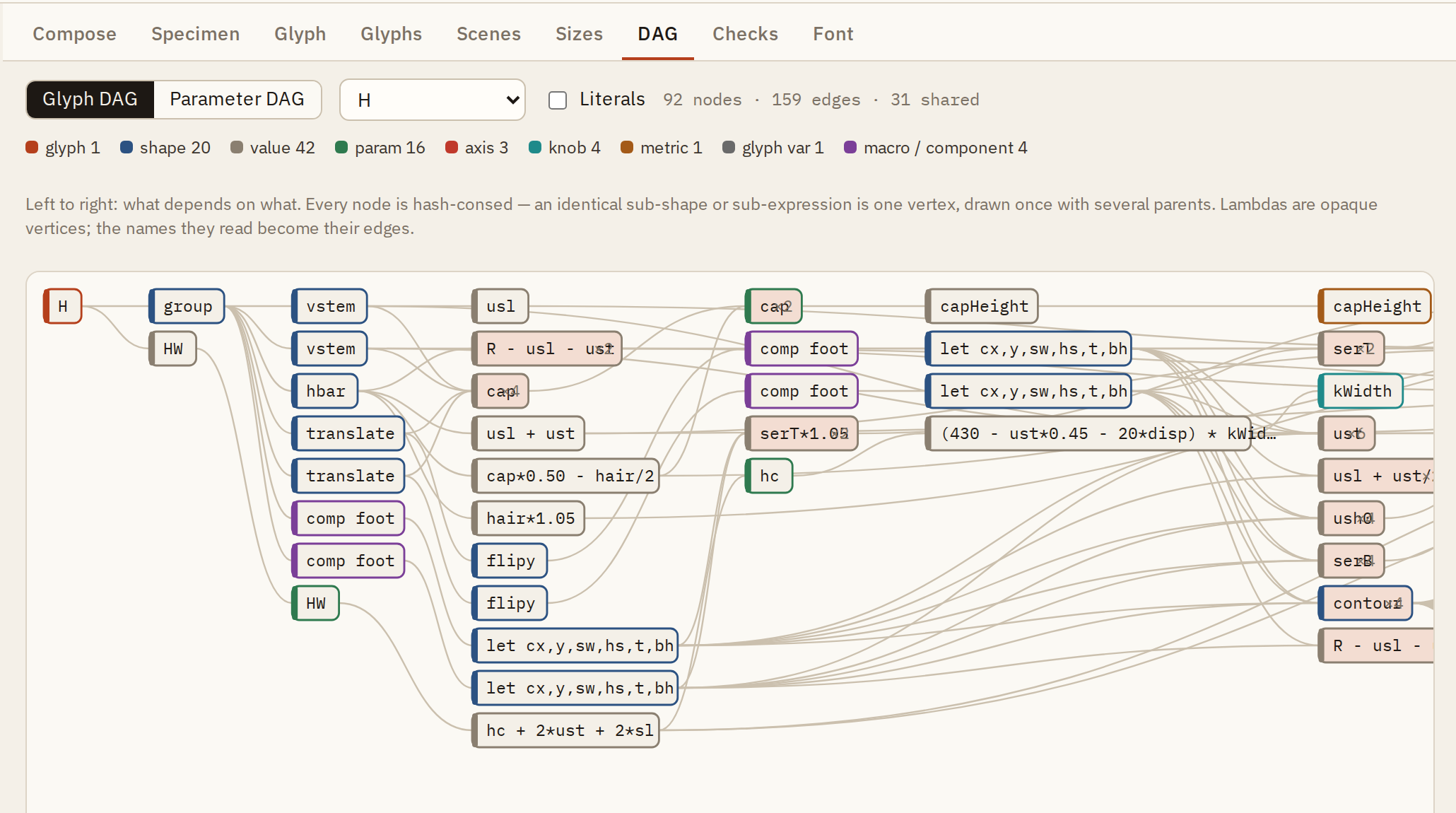
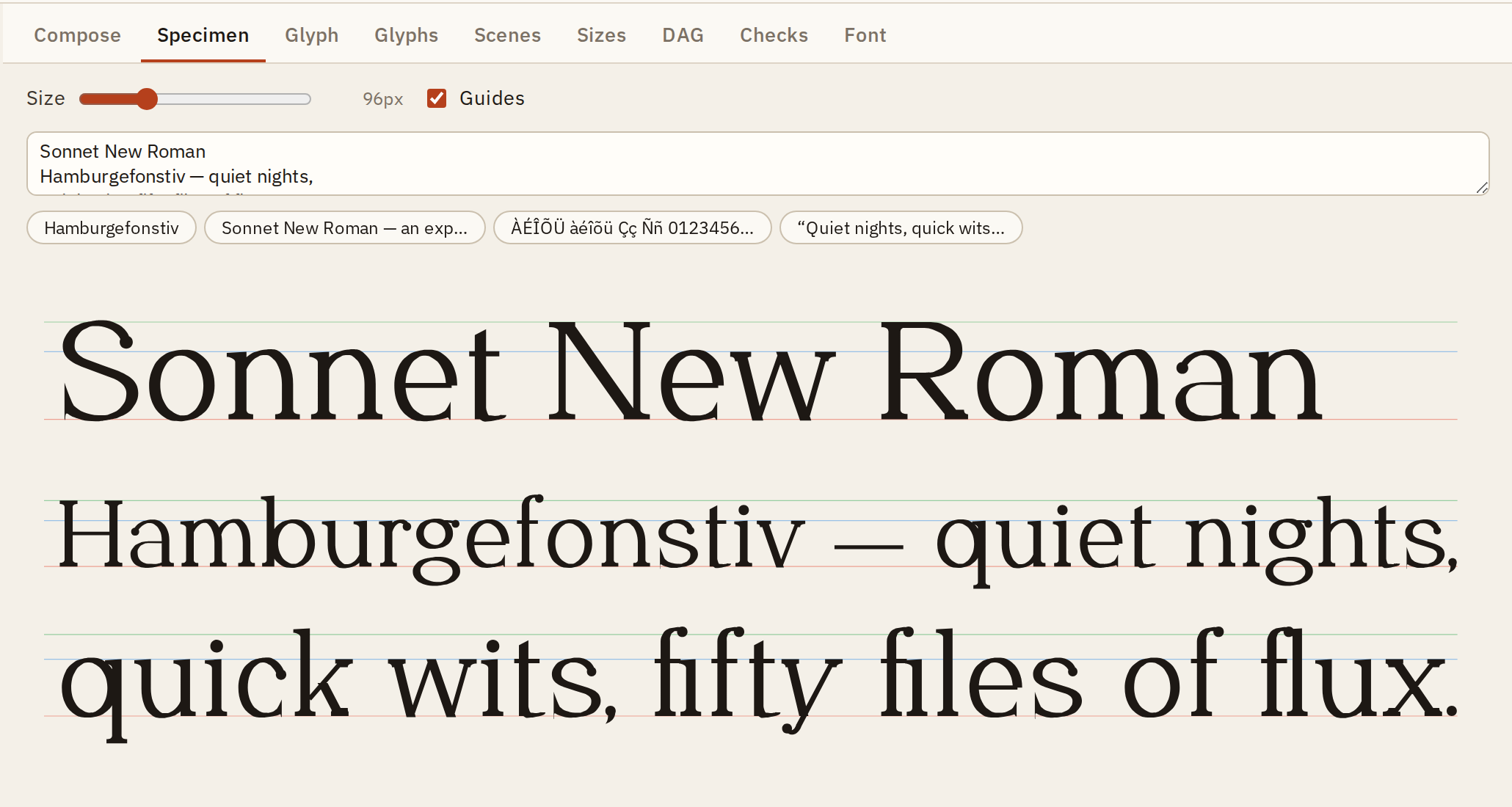
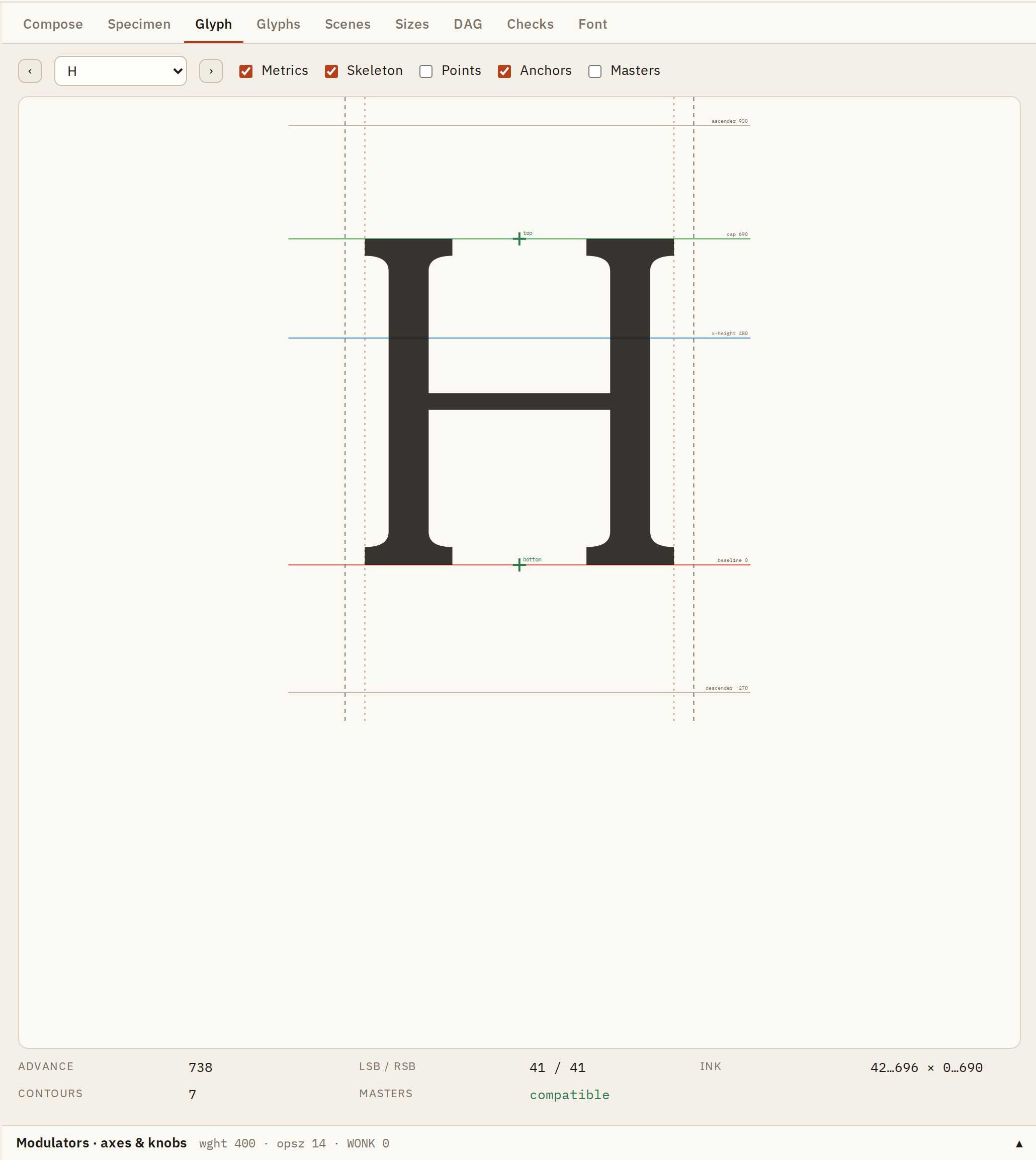
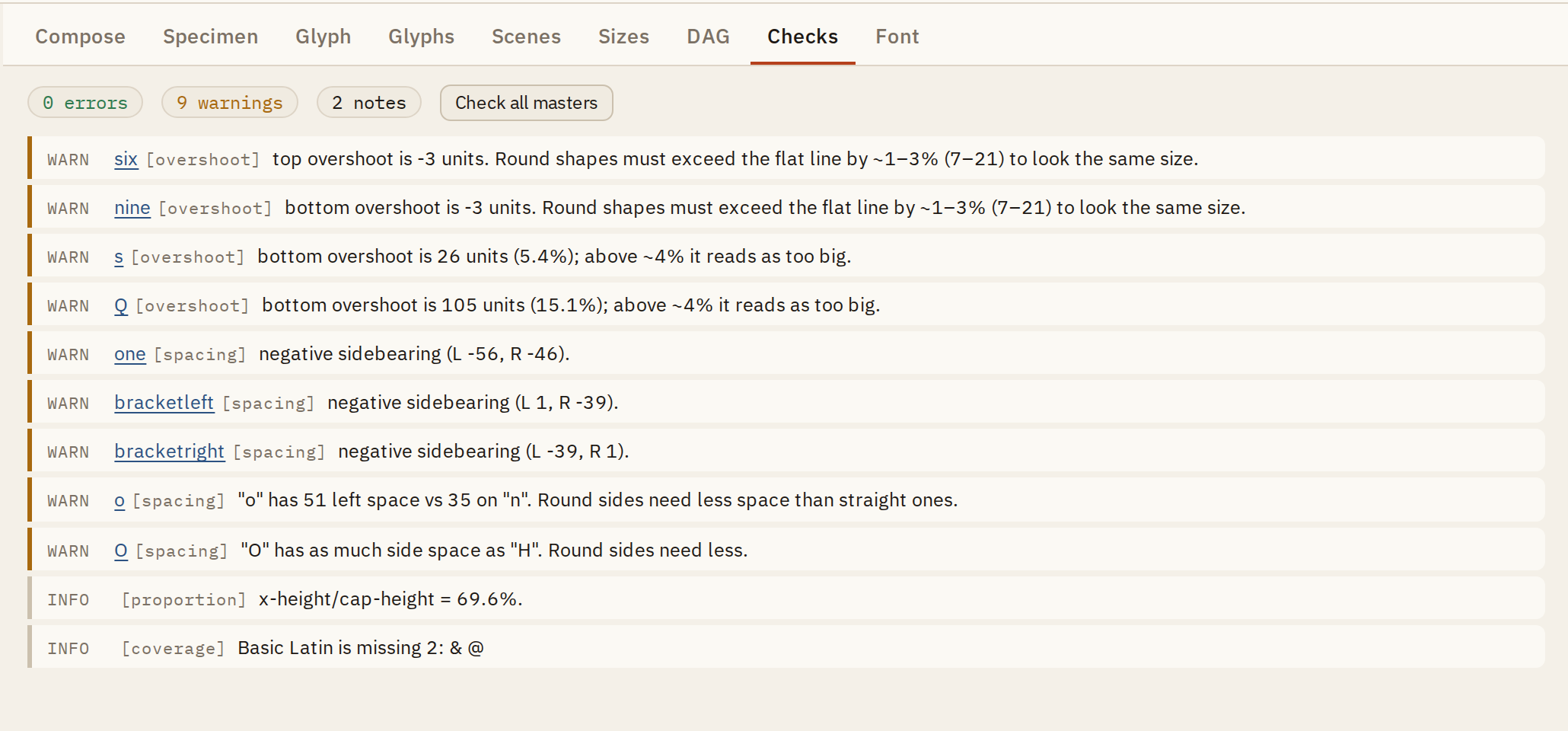
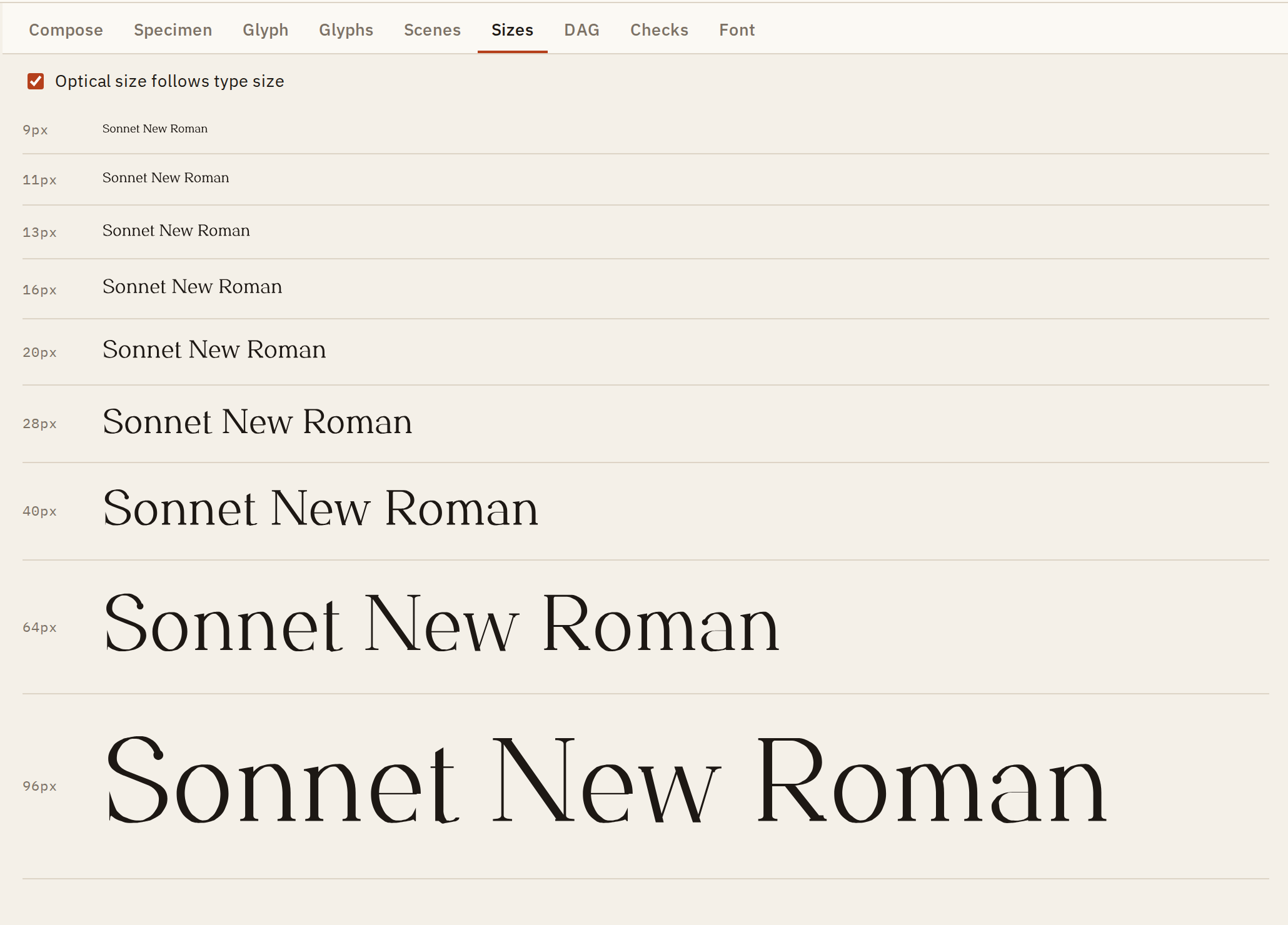
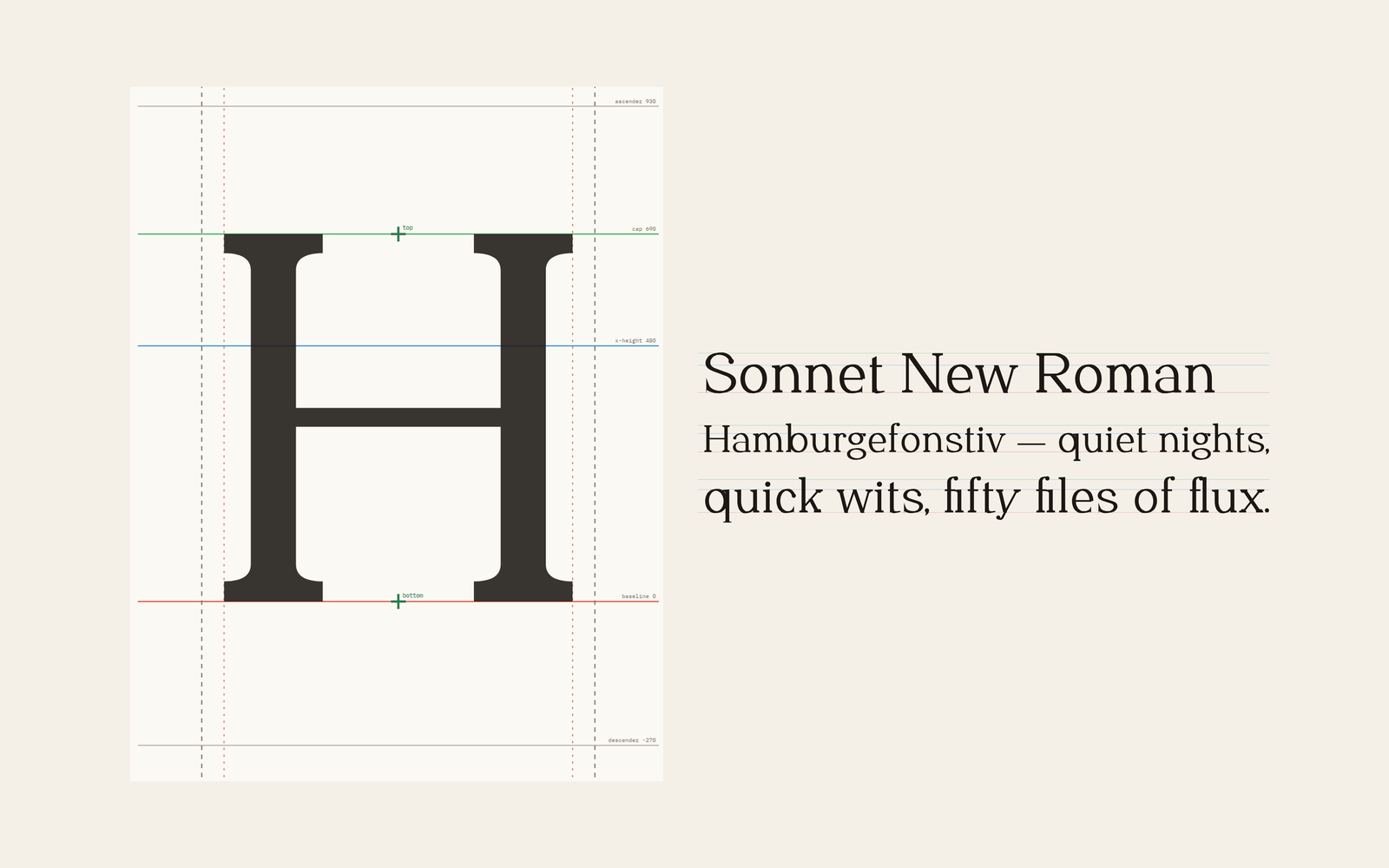
- Nine views of the same font: Compose, Specimen, Glyph (metrics, skeleton, points, anchors, masters), the Glyphs grid, Scenes, Sizes, a DAG of what depends on what, Checks for overshoots, sidebearings and coverage, and Font.
- Compile and download: the Font tab compiles a real variable TrueType file (glyf, gvar, fvar, kern and GSUB) and sets proof text with it in the browser; you can also save the script and a specimen SVG.
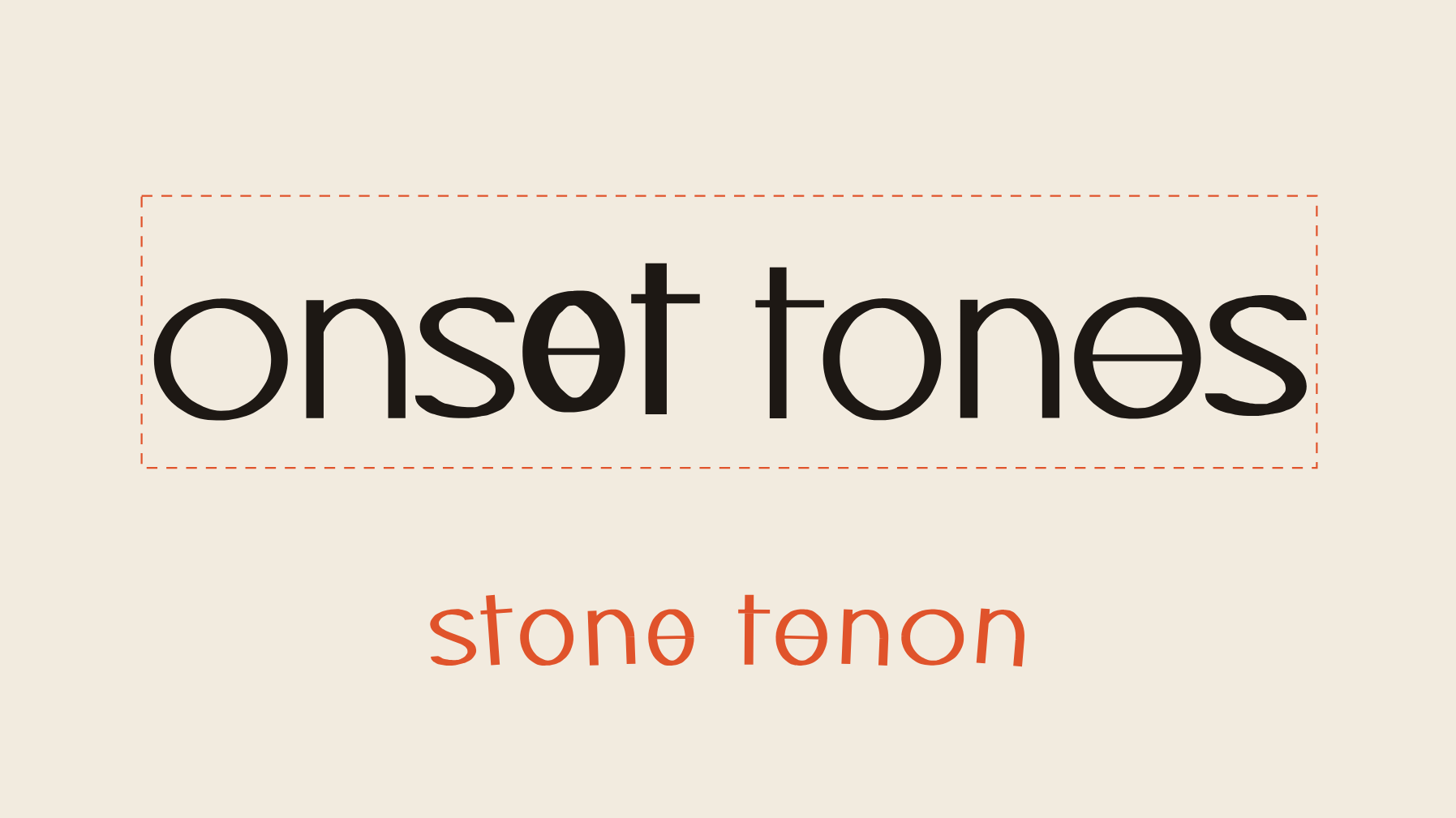
- Animated type: a modulator rack (LFOs, steps, envelopes, pointer) maps onto axes and layer properties, synced to a BPM clock, and runtime scenes are written in the script.
- Claude draws the font: in the Claude tab, Claude looks at fresh renderings, picks one thing to fix, edits the script through tools and leaves notes in a notebook for its next cycle. A separate studio agent builds compositions, presets and modulators by running code against the studio.
Nine presets come with it, from one stem, pen strokes, macros and serifs, a weight axis, sliders and checkboxes, and loops and procedural shapes to runtime scenes, modulators and the complete Sonnet New Roman.
The interface uses IBM Plex Sans, IBM Plex Mono and Instrument Serif from Google Fonts (SIL Open Font License) and React. Sonnet New Roman itself is drawn by the script in the app.